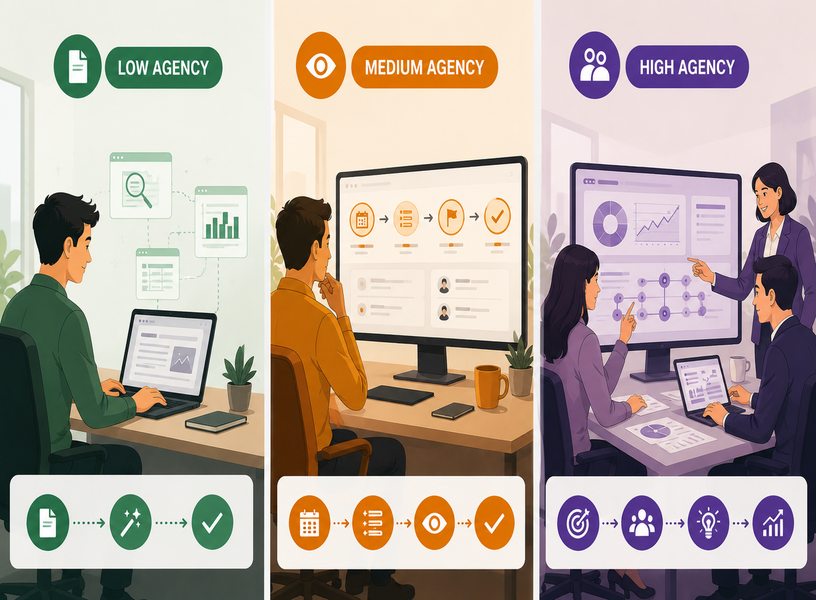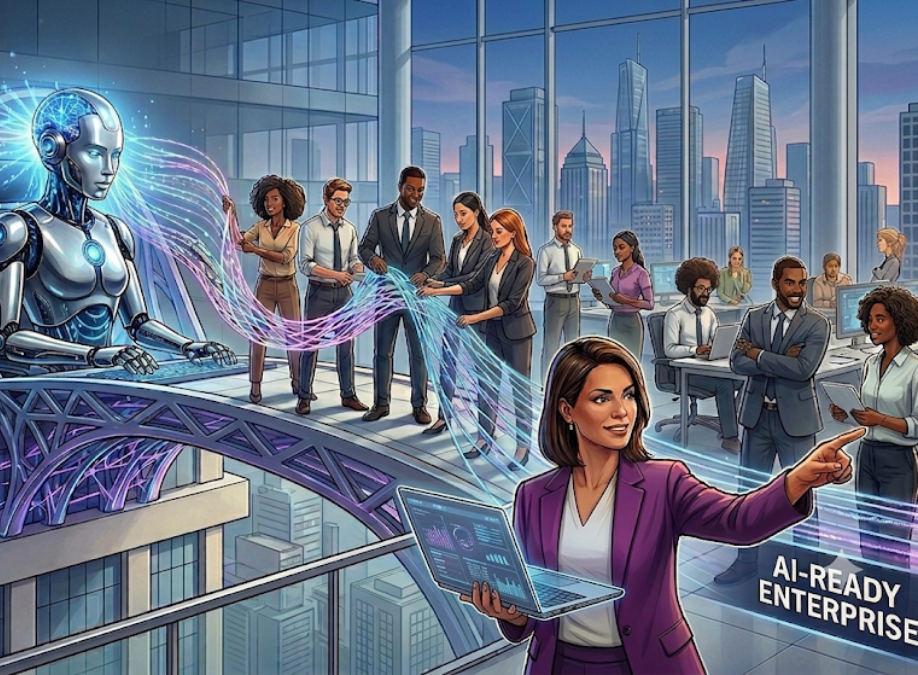

Discover how Adrenalin HR software empowers large enterprises to overcome digital HR challenges with cloud-based solutions, automation, and data-driven insights.
Attending a trade show can be a very effective method of promoting your company and its products. And one of the most effective ways to optimize your trade show display and increase traffic to your booth is through the use of banner stands.

Balamani
Author
Digital HR is transforming how large enterprises manage recruitment, payroll, employee engagement, workforce analytics, and compliance. But while the benefits of digital HR are significant, implementation is often more complex for large organizations.
Enterprises frequently struggle with:
• Legacy HR systems
• Employee resistance to change
• Data privacy concerns
• Scaling workforce operations
• Proving ROI on HR technology investments
Successfully navigating these challenges requires more than deploying new software. It requires a people-first transformation strategy.
Workforce expectations have changed dramatically in recent years.
Organizations now need HR systems that can support:
• Hybrid work environments
• Flexible workforce models
• Real-time workforce analytics
• Personalized employee experiences
• Faster decision-making
Traditional HR systems often struggle to keep up with these demands.
Digital HR platforms help enterprises:
• Automate administrative work
• Improve employee engagement
• Streamline workforce management
• Support strategic HR planning
• Enhance organizational agility
Research shows that while many enterprises consider digital HR essential, only a small percentage believe they are fully successful in their transformation efforts.
Many large organizations still rely on outdated HR software that was not designed for modern workforce needs.
Legacy systems often create problems such as:
• Disconnected employee data
• Manual workflows
• Poor user experience
• Limited scalability
• Difficult integrations
Older HR systems can make it difficult to:
• Connect payroll, recruitment, and performance data
• Generate real-time workforce insights
• Support automation initiatives
• Deliver consistent employee experiences
Modern HCM platforms with unified architecture help reduce system fragmentation and improve operational efficiency.
Change management is one of the biggest barriers to successful HR transformation.
Employees may resist new systems because of:
• Fear of complexity
• Lack of training
• Familiarity with existing processes
• Concerns about automation
• Poor communication during rollout
Studies consistently show that employee resistance is major reason digital transformation initiatives fail.
Enterprises can improve adoption by:
• Involving employees early
• Providing hands-on training
• Sharing clear benefits
• Creating user-friendly experiences
• Communicating regularly throughout implementation
When employees understand how digital HR improves their daily work experience, adoption rates typically increase.
HR systems manage highly sensitive workforce information, including:
• Payroll records
• Personal employee data
• Performance information
• Compliance documentation
• Financial information
As regulations become stricter, enterprises must ensure their HR platforms support:
• Data privacy
• Security compliance
• Audit readiness
• Access controls
• Workforce governance
Modern HR technology platforms should include:
• Encryption
• Audit trails
• Role-based permissions
• Compliance monitoring
• Security certifications such as ISO 27001
Regular compliance audits also help organizations maintain workforce trust and reduce operational risks.
Enterprise workforce needs constantly evolve due to:
• Business expansion
• Workforce growth
• Organizational restructuring
• Hybrid work adoption
• Global operations
HR systems that cannot scale quickly often become operational bottlenecks.
Cloud-based HCM platforms help enterprises:
• Scale workforce operations efficiently
• Support distributed teams
• Access real-time updates
• Reduce infrastructure complexity
• Adapt to changing business requirements
Flexible platforms allow organizations to grow without repeatedly replacing core HR systems.
How Can Organizations Justify HR Technology Investments?
One of the biggest concerns for enterprise leaders is the cost of digital HR transformation. Without visible results, organizations may struggle to secure long-term stakeholder support.
Enterprises can show measurable value by focusing on areas such as:
• Faster recruitment cycles
• Reduced administrative workload
• Improved employee retention
• Better workforce analytics
• Increased operational efficiency
Starting with high-impact use cases often helps organizations achieve early wins and build momentum for broader transformation initiatives.
Successful digital HR transformation requires both technology and organizational alignment.
Organizations should first identify what they want to improve, such as:
• Employee experience
• Workforce analytics
• Recruitment efficiency
• HR automation
• Compliance management
Clear goals help measure progress and guide implementation priorities.
Digital HR impacts multiple departments, including:+
• HR
• IT
• Finance
• Operations
• Leadership teams
Cross-functional collaboration improves:
• System integration
• Change management
• Adoption rates
• Long-term scalability
AI-powered HR tools can support:
• Smarter recruitment
• Personalized learning
• Workforce forecasting
• Compliance tracking
• Employee self-service
Automation reduces repetitive administrative work and allows HR teams to focus more on workforce strategy and employee engagement.
Digital HR transformation is an ongoing process.
Organizations should regularly evaluate:
• User adoption
• Employee feedback
• Workflow efficiency
• Business outcomes
• Workforce engagement metrics
Continuous optimization helps enterprises adapt HR systems as workforce needs evolve.
Organizations that invest strategically in digital HR often achieve measurable improvements in:
• Recruitment speed
• Workforce productivity
• Employee experience
• Operational efficiency
For example, enterprises using AI-driven HR tools have reported:
• Faster hiring cycles
• Reduced manual HR administration
• Improved employee satisfaction
• More personalized career development experiences
These outcomes demonstrate that digital HR transformation is not only about efficiency, but also about building better workplace experiences.
While technology drives transformation, successful digital HR initiatives remain people-focused.
The goal of digital HR is to:
• Simplify employee experiences
• Improve workforce engagement
• Enable better collaboration
• Support organizational growth
• Empower HR teams strategically
Technology becomes valuable when it helps organizations create more connected, agile, and employee-centric workplaces.
Digital HR refers to the use of modern technology, automation, analytics, and AI to improve HR processes and workforce management.
Common challenges include legacy systems, employee resistance, compliance risks, scalability issues, and proving ROI from HR technology investments.
Large organizations often manage complex workforce structures, disconnected systems, and large-scale change management initiatives.
Organizations can improve adoption through employee training, clear communication, better user experience, and early stakeholder involvement.
Cloud-based HR platforms provide scalability, flexibility, real-time access, and easier integration for growing enterprises.

Many people would say that it is absolute madness to keep on doing the same thing, time after time, expecting to get a different result or for something different to happen.
Hoover Dam and the Grand Canyon: Book yourself a seat on any of the many sightseeing tours available and go and watch the architectural marvel that is Hoover Dam built over the Grand canyon which is also a grand sight to see by itself. Black Canyon is another must see as is Lake Mead which is so beautiful just because it is a body of water all surrounded by desert-like nature. Colorado River:
While looking at the Dam and Canyon is from above, to see the true beauty of the river, you have to go down. The Colorado river is excellent for river-rafting and water sports, but you do not have to take part if it is not your thing. Instead just sit back and enjoy another of nature’s marvels.


.webp)
Who can not resist going to one of the old towns like those in the Western gun slinging movies? Your destination needs to be Old Nevada. There you can delight in an old western town right in the middle of Red Rock Canyon. They host western shootouts too so come prepared, partner! I could go on and on about other attractions like the theme park in Circus Circus, the Gilcrease Nature Sanctuary, the Henderson Bird Viewing Preserve and Mt. Charleston but I think you get the picture. In Las Vegas and hate gambling? Do not despair. Just go out and have some clean un-gambling fun.
Digital HR is transforming how large enterprises manage recruitment, payroll, employee engagement, workforce analytics, and compliance. But while the benefits of digital HR are significant, implementation is often more complex for large organizations.
Enterprises frequently struggle with:
• Legacy HR systems
• Employee resistance to change
• Data privacy concerns
• Scaling workforce operations
• Proving ROI on HR technology investments
Successfully navigating these challenges requires more than deploying new software. It requires a people-first transformation strategy.
Workforce expectations have changed dramatically in recent years.
Organizations now need HR systems that can support:
• Hybrid work environments
• Flexible workforce models
• Real-time workforce analytics
• Personalized employee experiences
• Faster decision-making
Traditional HR systems often struggle to keep up with these demands.
Digital HR platforms help enterprises:
• Automate administrative work
• Improve employee engagement
• Streamline workforce management
• Support strategic HR planning
• Enhance organizational agility
Research shows that while many enterprises consider digital HR essential, only a small percentage believe they are fully successful in their transformation efforts.
Many large organizations still rely on outdated HR software that was not designed for modern workforce needs.
Legacy systems often create problems such as:
• Disconnected employee data
• Manual workflows
• Poor user experience
• Limited scalability
• Difficult integrations
Older HR systems can make it difficult to:
• Connect payroll, recruitment, and performance data
• Generate real-time workforce insights
• Support automation initiatives
• Deliver consistent employee experiences
Modern HCM platforms with unified architecture help reduce system fragmentation and improve operational efficiency.
Change management is one of the biggest barriers to successful HR transformation.
Employees may resist new systems because of:
• Fear of complexity
• Lack of training
• Familiarity with existing processes
• Concerns about automation
• Poor communication during rollout
Studies consistently show that employee resistance is major reason digital transformation initiatives fail.
Enterprises can improve adoption by:
• Involving employees early
• Providing hands-on training
• Sharing clear benefits
• Creating user-friendly experiences
• Communicating regularly throughout implementation
When employees understand how digital HR improves their daily work experience, adoption rates typically increase.
HR systems manage highly sensitive workforce information, including:
• Payroll records
• Personal employee data
• Performance information
• Compliance documentation
• Financial information
As regulations become stricter, enterprises must ensure their HR platforms support:
• Data privacy
• Security compliance
• Audit readiness
• Access controls
• Workforce governance
Modern HR technology platforms should include:
• Encryption
• Audit trails
• Role-based permissions
• Compliance monitoring
• Security certifications such as ISO 27001
Regular compliance audits also help organizations maintain workforce trust and reduce operational risks.
Enterprise workforce needs constantly evolve due to:
• Business expansion
• Workforce growth
• Organizational restructuring
• Hybrid work adoption
• Global operations
HR systems that cannot scale quickly often become operational bottlenecks.
Cloud-based HCM platforms help enterprises:
• Scale workforce operations efficiently
• Support distributed teams
• Access real-time updates
• Reduce infrastructure complexity
• Adapt to changing business requirements
Flexible platforms allow organizations to grow without repeatedly replacing core HR systems.
How Can Organizations Justify HR Technology Investments?
One of the biggest concerns for enterprise leaders is the cost of digital HR transformation. Without visible results, organizations may struggle to secure long-term stakeholder support.
Enterprises can show measurable value by focusing on areas such as:
• Faster recruitment cycles
• Reduced administrative workload
• Improved employee retention
• Better workforce analytics
• Increased operational efficiency
Starting with high-impact use cases often helps organizations achieve early wins and build momentum for broader transformation initiatives.
Successful digital HR transformation requires both technology and organizational alignment.
Organizations should first identify what they want to improve, such as:
• Employee experience
• Workforce analytics
• Recruitment efficiency
• HR automation
• Compliance management
Clear goals help measure progress and guide implementation priorities.
Digital HR impacts multiple departments, including:+
• HR
• IT
• Finance
• Operations
• Leadership teams
Cross-functional collaboration improves:
• System integration
• Change management
• Adoption rates
• Long-term scalability
AI-powered HR tools can support:
• Smarter recruitment
• Personalized learning
• Workforce forecasting
• Compliance tracking
• Employee self-service
Automation reduces repetitive administrative work and allows HR teams to focus more on workforce strategy and employee engagement.
Digital HR transformation is an ongoing process.
Organizations should regularly evaluate:
• User adoption
• Employee feedback
• Workflow efficiency
• Business outcomes
• Workforce engagement metrics
Continuous optimization helps enterprises adapt HR systems as workforce needs evolve.
Organizations that invest strategically in digital HR often achieve measurable improvements in:
• Recruitment speed
• Workforce productivity
• Employee experience
• Operational efficiency
For example, enterprises using AI-driven HR tools have reported:
• Faster hiring cycles
• Reduced manual HR administration
• Improved employee satisfaction
• More personalized career development experiences
These outcomes demonstrate that digital HR transformation is not only about efficiency, but also about building better workplace experiences.
While technology drives transformation, successful digital HR initiatives remain people-focused.
The goal of digital HR is to:
• Simplify employee experiences
• Improve workforce engagement
• Enable better collaboration
• Support organizational growth
• Empower HR teams strategically
Technology becomes valuable when it helps organizations create more connected, agile, and employee-centric workplaces.
Digital HR refers to the use of modern technology, automation, analytics, and AI to improve HR processes and workforce management.
Common challenges include legacy systems, employee resistance, compliance risks, scalability issues, and proving ROI from HR technology investments.
Large organizations often manage complex workforce structures, disconnected systems, and large-scale change management initiatives.
Organizations can improve adoption through employee training, clear communication, better user experience, and early stakeholder involvement.
Cloud-based HR platforms provide scalability, flexibility, real-time access, and easier integration for growing enterprises.


.webp)


.webp)

Passionately focused on people and fostering relationships for over 25 Years