
Discover why upskilling and reskilling are crucial in the digital age. Learn how learning experience platforms (LXPs) transform workforce growth, retention, and productivity.

Attending a trade show can be a very effective method of promoting your company and its products. And one of the most effective ways to optimize your trade show display and increase traffic to your booth is through the use of banner stands.

Balamani
Author
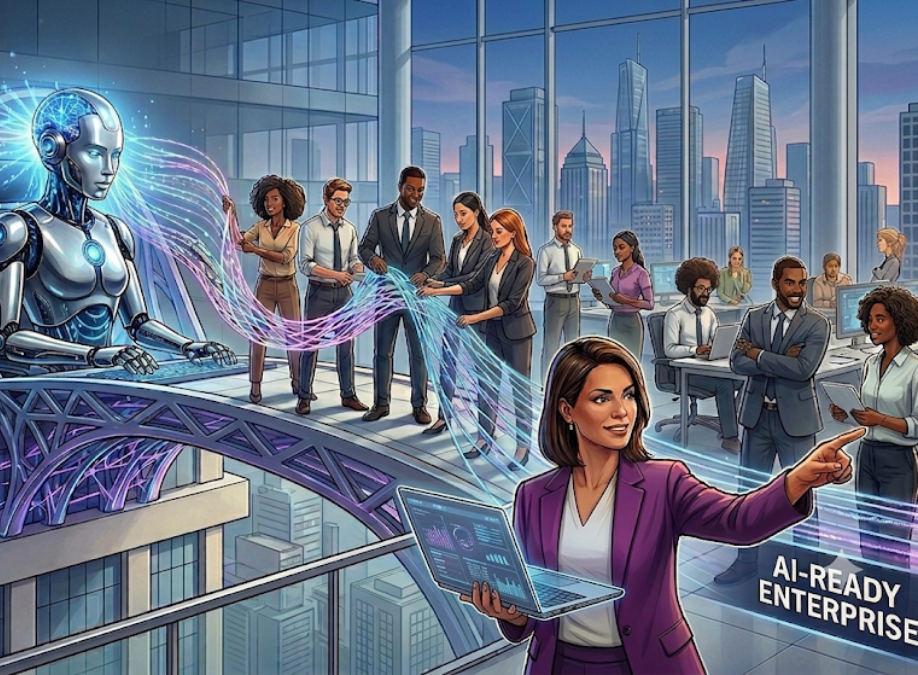
The workplace is evolving faster than most organizations expected. AI, automation, and digital transformation are reshaping industries, redefining roles, and changing the skills employees need to succeed. Capabilities that were highly valuable a few years ago are quickly becoming outdated, while entirely new skill demands continue to emerge.
For organizations, this creates a pressing challenge: how do you build a workforce that can keep adapting to change?
This is why upskilling and reskilling are no longer just learning initiatives. They have become critical business strategies tied directly to workforce resilience, employee retention, and long-term growth. Organizations that invest in skill development are far more prepared to navigate disruption, adopt new technologies, and remain competitive in rapidly changing markets.
The urgency around workforce transformation is only increasing. According to the World Economic Forum, nearly half of employees will require reskilling as technology and business models continue to evolve.
At the same time, employee expectations around career development have changed significantly. People want to work for organizations that actively invest in their growth. Learning opportunities are now closely tied to engagement, retention, and overall employee experience.
This creates a dual challenge for HR leaders - preparing the workforce for future business demands, while also creating meaningful growth opportunities that encourage employees to stay and grow internally.
Organizations that fail to prioritize skill-building risk more than just capability gaps. They risk losing high-performing talent to companies that offer clearer pathways for development and career mobility.
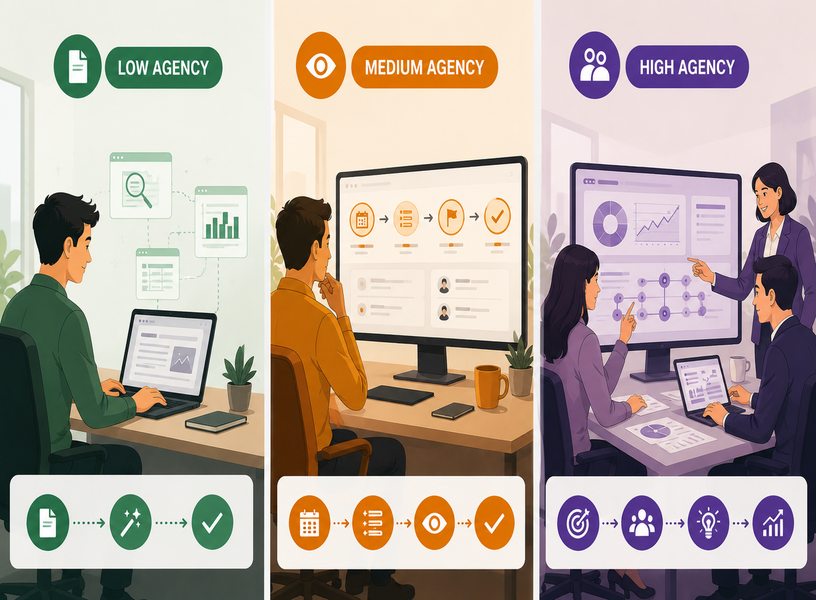
Although the terms are often used interchangeably, upskilling and reskilling serve different workforce needs. Upskilling focuses on helping employees deepen or expand capabilities within their current career path. This may involve learning advanced digital tools, leadership capabilities, or emerging technologies relevant to their role. Reskilling, on the other hand, prepares employees for entirely new responsibilities as business needs shift. As automation transforms traditional roles, organizations increasingly need employees who can transition into new functions, technologies, and workflows. Together, these approaches create a workforce that is more agile, adaptable, and prepared for long-term change.
One of the biggest challenges organizations face is scaling workforce learning effectively. Traditional training models often struggle to keep pace with changing skill demands, especially across large or distributed teams. This is where modern learning experience platforms (LXPs) are transforming workforce development. Unlike traditional learning systems built around static training programs, LXPs focus on continuous, personalized learning experiences. They help employees learn in ways that feel more relevant, flexible, and integrated into daily work. AI-powered learning platforms can identify skill gaps, recommend tailored learning paths, and align development opportunities with both employee goals and business priorities. Instead of generic training sessions, employees receive learning experiences that feel directly connected to their growth and career progression. The shift toward personalized learning is particularly important because employees engage more consistently when development feels meaningful and applicable to their individual aspirations.
Today’s workforce expects flexibility in almost every aspect of work, including learning.
Employees no longer want development programs that feel disconnected from their day-to-day responsibilities. They want learning experiences that are accessible, self-paced, and easy to integrate into busy schedules.
Modern learning platforms support this through:
• microlearning,
• mobile access,
• on-demand content,
• certifications,
• and self-directed development journeys.
This flexibility helps organizations create a culture where learning becomes continuous rather than occasional.
Equally important is engagement. Many organizations are moving toward more interactive learning experiences through features such as gamification, progress tracking, and collaborative learning. These elements help employees stay motivated and more invested in their development over time.
Organizations that invest seriously in workforce development often see benefits that extend far beyond skill acquisition. Employees with stronger capabilities adapt faster to new technologies and evolving business processes, improving overall workforce agility. Teams become more confident navigating change, which is increasingly important in uncertain business environments. Learning investments also have a direct impact on retention. Employees are more likely to stay when they can see a clear future within the organization. Career growth, internal mobility, and leadership development opportunities play a major role in long-term engagement. There is also a strong employer branding advantage. Organizations known for investing in employee growth often attract stronger talent because candidates increasingly evaluate learning culture as part of the employee experience. In many ways, workforce development has become a competitive differentiator.
The future of workforce development is not about delivering occasional training sessions. It is about building connected learning ecosystems that continuously evolve with business needs.
Modern HCM and learning platforms now allow organizations to connect:
• employee performance,
• career development,
• workforce analytics,
• succession planning,
• and learning management
• within a unified talent strategy.
This creates far greater visibility into workforce readiness and helps HR leaders make more informed decisions about future skill investments. The organizations that succeed over the next decade will likely be the ones that treat skills transformation as an ongoing business priority rather than a reactive initiative.
The future of work will belong to organizations that can adapt quickly, build resilient talent pipelines, and continuously evolve workforce capabilities. Upskilling and reskilling are central to that future. The challenge for HR leaders is no longer deciding whether workforce development matters. The challenge is building learning strategies that are scalable, personalized, and aligned with long-term business goals. Technology can support that transformation, but the real opportunity lies in creating workplaces where continuous learning becomes part of organizational culture itself. Because in a rapidly changing world, the organizations that learn fastest are often the ones that grow strongest.
Upskilling helps employees strengthen capabilities within their current role, while reskilling prepares them for entirely new roles as business needs evolve.
They help organizations prepare for digital transformation, close skill gaps, improve retention, and build a more adaptable workforce.
An LXP is a modern learning platform that delivers personalized, AI-driven, and continuous learning experiences for employees.
Learning platforms help organizations scale training, identify skill gaps, personalize learning journeys, and track workforce development more effectively.
Employees are more likely to stay engaged and remain with organizations that actively invest in their long-term growth and learning.

Many people would say that it is absolute madness to keep on doing the same thing, time after time, expecting to get a different result or for something different to happen.
Hoover Dam and the Grand Canyon: Book yourself a seat on any of the many sightseeing tours available and go and watch the architectural marvel that is Hoover Dam built over the Grand canyon which is also a grand sight to see by itself. Black Canyon is another must see as is Lake Mead which is so beautiful just because it is a body of water all surrounded by desert-like nature. Colorado River:
While looking at the Dam and Canyon is from above, to see the true beauty of the river, you have to go down. The Colorado river is excellent for river-rafting and water sports, but you do not have to take part if it is not your thing. Instead just sit back and enjoy another of nature’s marvels.


.webp)
Who can not resist going to one of the old towns like those in the Western gun slinging movies? Your destination needs to be Old Nevada. There you can delight in an old western town right in the middle of Red Rock Canyon. They host western shootouts too so come prepared, partner! I could go on and on about other attractions like the theme park in Circus Circus, the Gilcrease Nature Sanctuary, the Henderson Bird Viewing Preserve and Mt. Charleston but I think you get the picture. In Las Vegas and hate gambling? Do not despair. Just go out and have some clean un-gambling fun.
The workplace is evolving faster than most organizations expected. AI, automation, and digital transformation are reshaping industries, redefining roles, and changing the skills employees need to succeed. Capabilities that were highly valuable a few years ago are quickly becoming outdated, while entirely new skill demands continue to emerge.
For organizations, this creates a pressing challenge: how do you build a workforce that can keep adapting to change?
This is why upskilling and reskilling are no longer just learning initiatives. They have become critical business strategies tied directly to workforce resilience, employee retention, and long-term growth. Organizations that invest in skill development are far more prepared to navigate disruption, adopt new technologies, and remain competitive in rapidly changing markets.
The urgency around workforce transformation is only increasing. According to the World Economic Forum, nearly half of employees will require reskilling as technology and business models continue to evolve.
At the same time, employee expectations around career development have changed significantly. People want to work for organizations that actively invest in their growth. Learning opportunities are now closely tied to engagement, retention, and overall employee experience.
This creates a dual challenge for HR leaders - preparing the workforce for future business demands, while also creating meaningful growth opportunities that encourage employees to stay and grow internally.
Organizations that fail to prioritize skill-building risk more than just capability gaps. They risk losing high-performing talent to companies that offer clearer pathways for development and career mobility.
Although the terms are often used interchangeably, upskilling and reskilling serve different workforce needs. Upskilling focuses on helping employees deepen or expand capabilities within their current career path. This may involve learning advanced digital tools, leadership capabilities, or emerging technologies relevant to their role. Reskilling, on the other hand, prepares employees for entirely new responsibilities as business needs shift. As automation transforms traditional roles, organizations increasingly need employees who can transition into new functions, technologies, and workflows. Together, these approaches create a workforce that is more agile, adaptable, and prepared for long-term change.
One of the biggest challenges organizations face is scaling workforce learning effectively. Traditional training models often struggle to keep pace with changing skill demands, especially across large or distributed teams. This is where modern learning experience platforms (LXPs) are transforming workforce development. Unlike traditional learning systems built around static training programs, LXPs focus on continuous, personalized learning experiences. They help employees learn in ways that feel more relevant, flexible, and integrated into daily work. AI-powered learning platforms can identify skill gaps, recommend tailored learning paths, and align development opportunities with both employee goals and business priorities. Instead of generic training sessions, employees receive learning experiences that feel directly connected to their growth and career progression. The shift toward personalized learning is particularly important because employees engage more consistently when development feels meaningful and applicable to their individual aspirations.
Today’s workforce expects flexibility in almost every aspect of work, including learning.
Employees no longer want development programs that feel disconnected from their day-to-day responsibilities. They want learning experiences that are accessible, self-paced, and easy to integrate into busy schedules.
Modern learning platforms support this through:
• microlearning,
• mobile access,
• on-demand content,
• certifications,
• and self-directed development journeys.
This flexibility helps organizations create a culture where learning becomes continuous rather than occasional.
Equally important is engagement. Many organizations are moving toward more interactive learning experiences through features such as gamification, progress tracking, and collaborative learning. These elements help employees stay motivated and more invested in their development over time.
Organizations that invest seriously in workforce development often see benefits that extend far beyond skill acquisition. Employees with stronger capabilities adapt faster to new technologies and evolving business processes, improving overall workforce agility. Teams become more confident navigating change, which is increasingly important in uncertain business environments. Learning investments also have a direct impact on retention. Employees are more likely to stay when they can see a clear future within the organization. Career growth, internal mobility, and leadership development opportunities play a major role in long-term engagement. There is also a strong employer branding advantage. Organizations known for investing in employee growth often attract stronger talent because candidates increasingly evaluate learning culture as part of the employee experience. In many ways, workforce development has become a competitive differentiator.
The future of workforce development is not about delivering occasional training sessions. It is about building connected learning ecosystems that continuously evolve with business needs.
Modern HCM and learning platforms now allow organizations to connect:
• employee performance,
• career development,
• workforce analytics,
• succession planning,
• and learning management
• within a unified talent strategy.
This creates far greater visibility into workforce readiness and helps HR leaders make more informed decisions about future skill investments. The organizations that succeed over the next decade will likely be the ones that treat skills transformation as an ongoing business priority rather than a reactive initiative.
The future of work will belong to organizations that can adapt quickly, build resilient talent pipelines, and continuously evolve workforce capabilities. Upskilling and reskilling are central to that future. The challenge for HR leaders is no longer deciding whether workforce development matters. The challenge is building learning strategies that are scalable, personalized, and aligned with long-term business goals. Technology can support that transformation, but the real opportunity lies in creating workplaces where continuous learning becomes part of organizational culture itself. Because in a rapidly changing world, the organizations that learn fastest are often the ones that grow strongest.
Upskilling helps employees strengthen capabilities within their current role, while reskilling prepares them for entirely new roles as business needs evolve.
They help organizations prepare for digital transformation, close skill gaps, improve retention, and build a more adaptable workforce.
An LXP is a modern learning platform that delivers personalized, AI-driven, and continuous learning experiences for employees.
Learning platforms help organizations scale training, identify skill gaps, personalize learning journeys, and track workforce development more effectively.
Employees are more likely to stay engaged and remain with organizations that actively invest in their long-term growth and learning.


.webp)


.webp)

Passionately focused on people and fostering relationships for over 25 Years